blog.tailcall.runHow Tailcall statically identifies N+1 issues in GraphQLAs a developer working with GraphQL, you're likely familiar with the concept of N+1 issues, if not you should definitely check out our N+1 guide. To summarize they occur when a GraphQL resolver is called multiple times for a single GraphQL request, l...Aug 5, 2024·5 min read
blog.tailcall.runWriting a GraphQL Backend by Hand is Long GoneBuilding a GraphQL backend by hand might seem like a noble pursuit, but the landscape of API development is evolving rapidly, and so are the challenges that come with it. Today, the process is often fraught with complexity, performance bottlenecks, s...May 30, 2024·6 min read
blog.tailcall.runGraphQL vs REST vs gRPC - an unfair comparisonGraphQL vs REST vs gRPC - an unfair comparison Since its inception, GraphQL has steadily gained popularity, often finding itself at the center of comparisons with other data query and manipulation languages such as REST and gRPC. The internet is re...Mar 30, 2024·4 min read
blog.tailcall.runThe truth about scaling Automatic Persisted QueriesPersisted queries are often hailed as a solution to several challenges in GraphQL related to network performance, caching, and maintenance. However, they may not always be the silver bullet they appear to be. This post delves into the concept of pers...Aug 11, 2023·6 min read
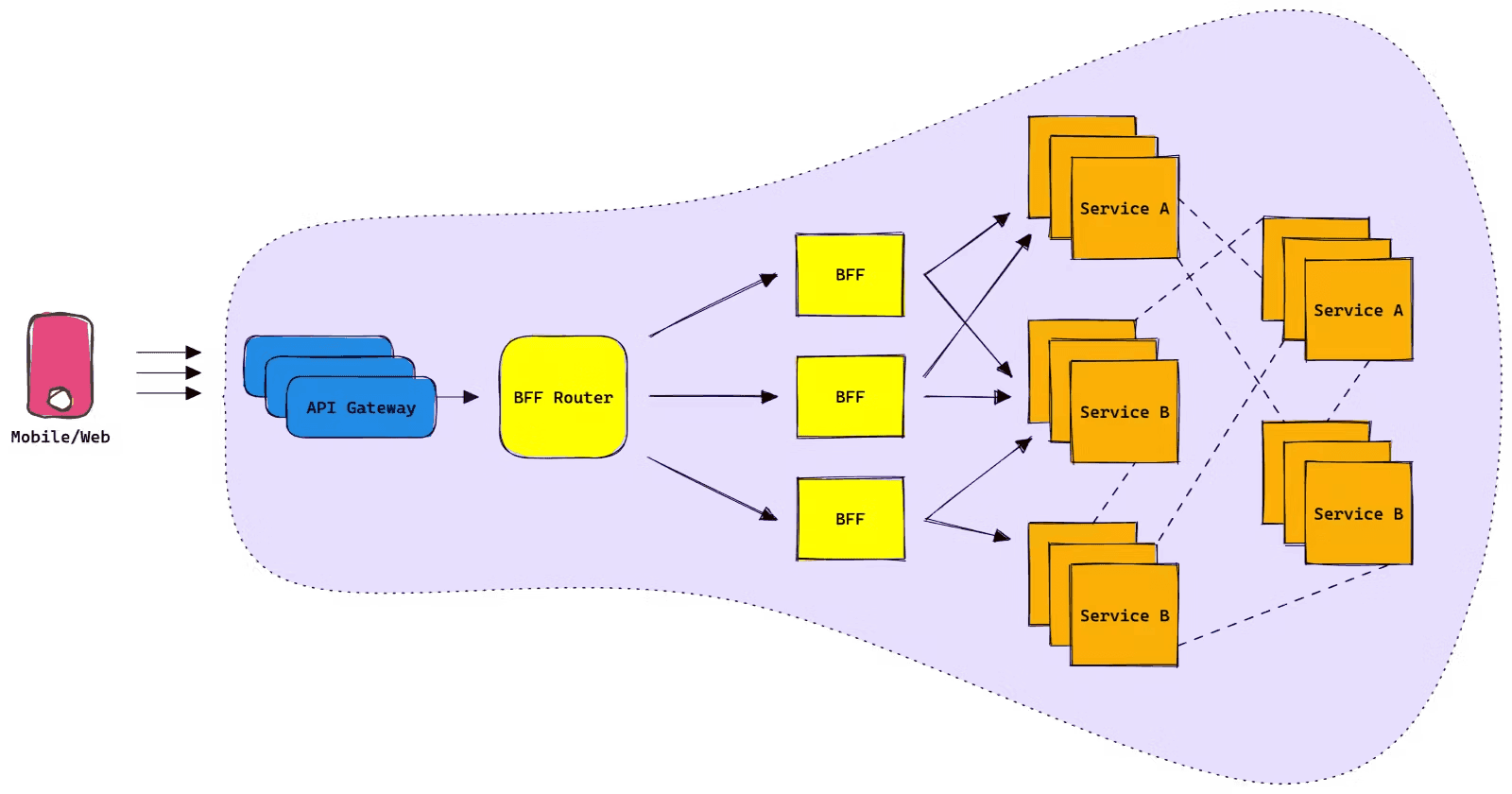
blog.tailcall.runUnraveling the Challenges of BFF FederationIn our previous blog post, we discussed the challenges of API Orchestration and its often overlooked role in a microservices architecture. We explored how, while it serves as an abstraction for frontend apps and websites, this abstraction's performan...Jun 19, 2023·10 min read