Thanks for reading. Your point about MCP servers wrapping existing APIs is the one I'd underline, because that is where most of the engineering actually sits.
The trap is doing it one to one. If you map each REST endpoint to a tool, the model gets a list it has to assemble into a workflow, and it guesses. One tool per business capability works better, even when that means a single tool spans three internal calls.
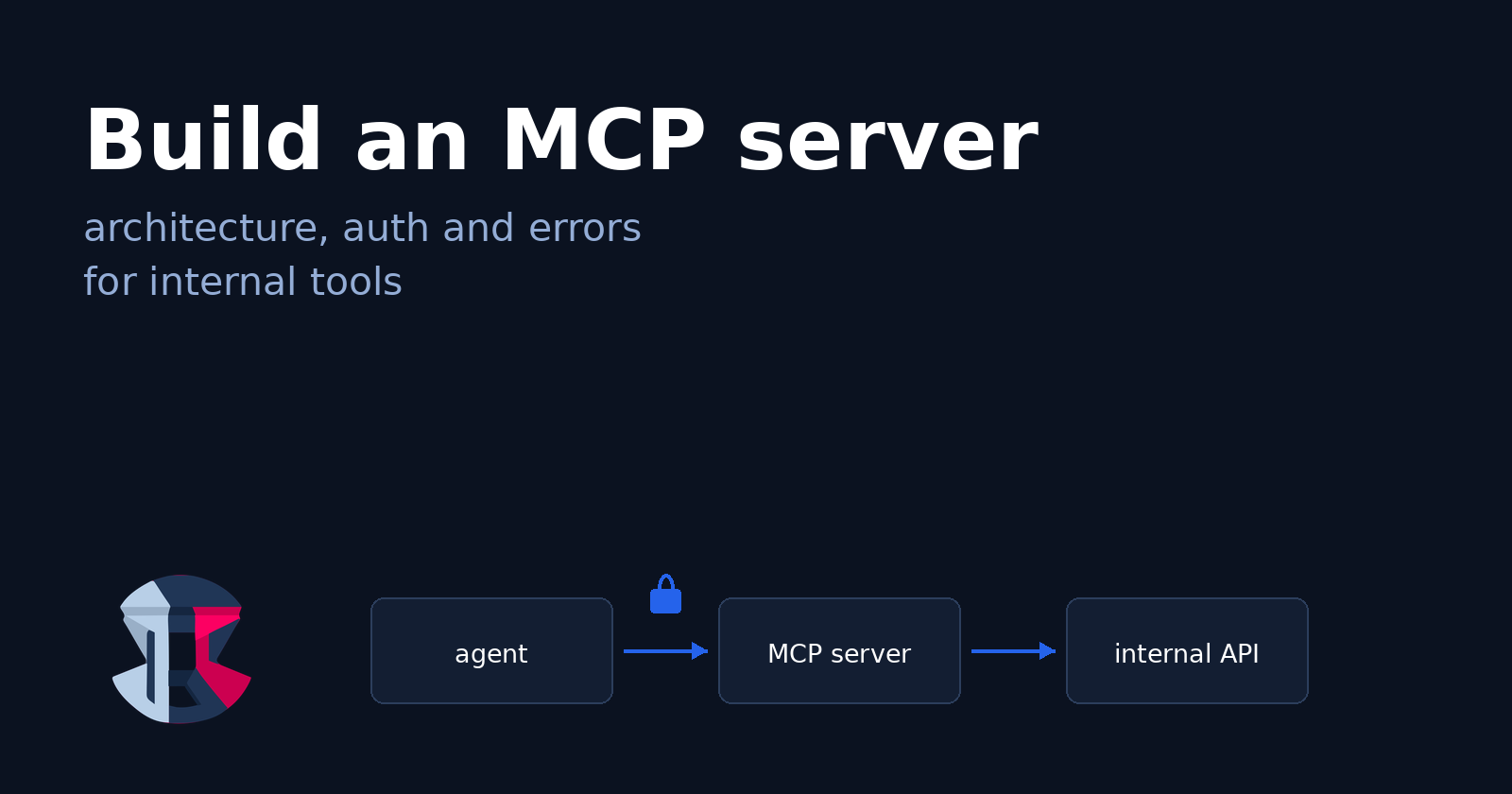
The other thing that does not carry over automatically is authorization. Your API already knows who may see what, but the MCP server has to verify the token itself and pass identity down, or you end up with an adapter that quietly bypasses your own rules.
Moon Technolabs
Turning Ideas Into Scalable Digital Solutions
The article provides practical insights into building MCP servers, including authentication and error handling. It’s a useful read for understanding how MCP compares with traditional APIs [https://www.moontechnolabs.com/blog/mcp-vs-api/ ] and when each approach fits modern application development.