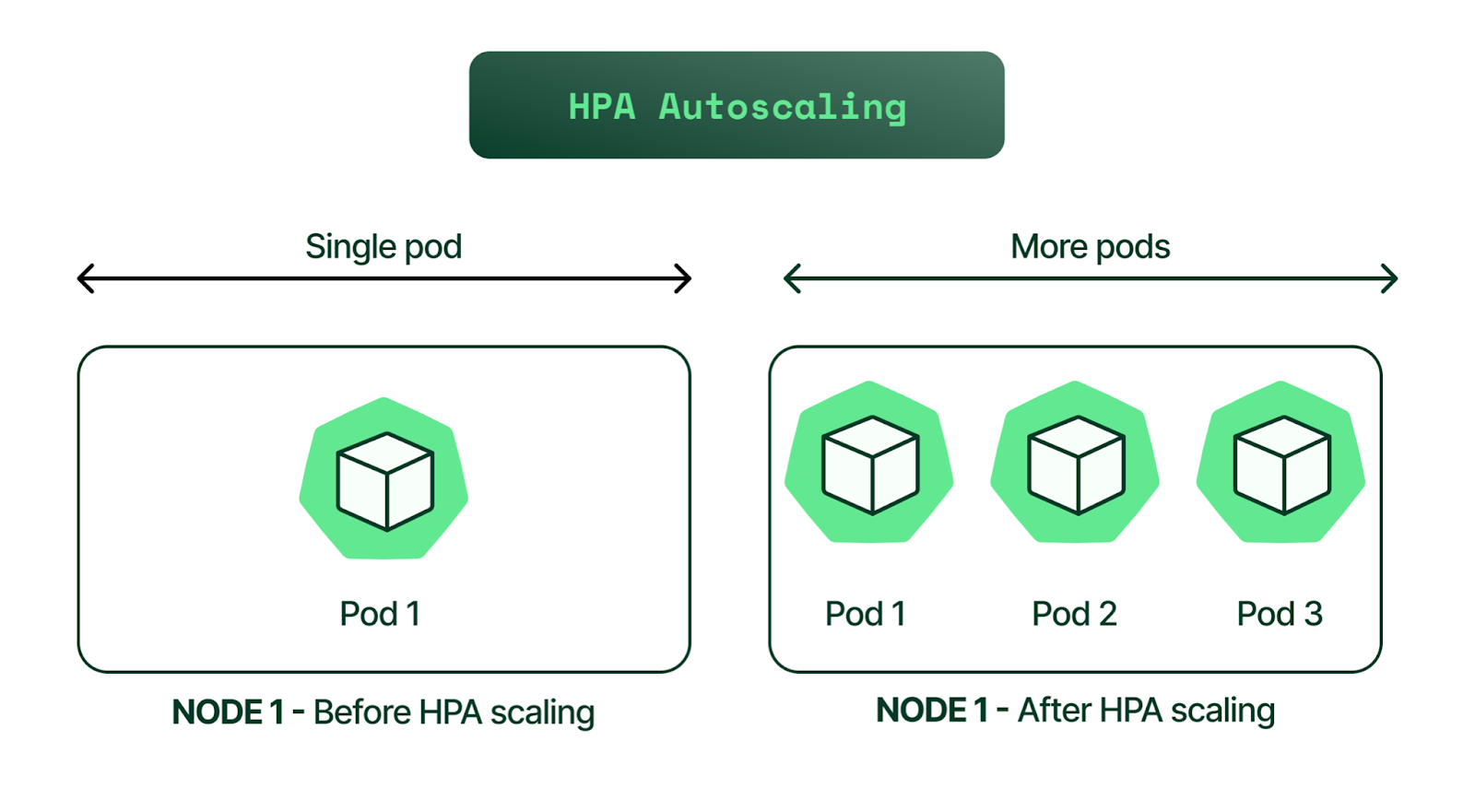
This detailed guide on Horizontal Pod Autoscaler (HPA) is a fantastic resource for anyone looking to optimize their Kubernetes workloads! The step-by-step instructions for setting up HPA, along with practical examples and real-time scenarios, make it incredibly useful for both beginners and experienced users. The emphasis on dynamic scaling and cost efficiency really highlights how HPA can ensure high availability while optimizing resource usage. It’s great to see such comprehensive content shared in the #90DaysOfDevOps journey—happy learning and growing! 🚀
Thank you for the kind words! 😊 I’m glad you found the guide on Horizontal Pod Autoscaler helpful. Dynamic scaling and resource optimization are indeed game-changers for Kubernetes workloads, and I’m excited to share this knowledge as part of the #90DaysOfDevOps journey. Let’s keep learning and growing together! 🚀
Thanks for sharing. Did you observe any node scale outs during the HPA test? Is node autoscaling even part of HPA testing ?
Thank you for your question! My focus was on understanding pod scaling based on CPU usage. I haven’t explored node autoscaling in detail yet, but it’s on my learning list.
Soothfy App
This detailed guide on Horizontal Pod Autoscaler (HPA) is a fantastic resource for anyone looking to optimize their Kubernetes workloads! The step-by-step instructions for setting up HPA, along with practical examples and real-time scenarios, make it incredibly useful for both beginners and experienced users. The emphasis on dynamic scaling and cost efficiency really highlights how HPA can ensure high availability while optimizing resource usage. It’s great to see such comprehensive content shared in the #90DaysOfDevOps journey—happy learning and growing! 🚀