Each Fix to My Classification Prompt Exposed the Next Problem
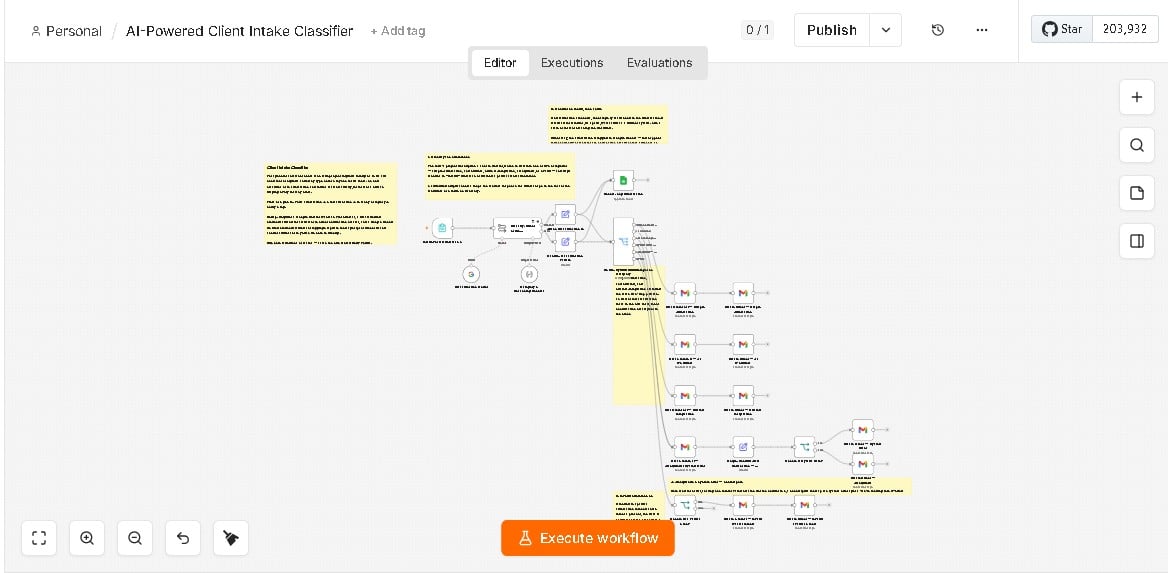
This comes from my first n8n project with an LLM in it: an intake classifier for an automation agency. It's a practice brief, so the agency and the client are fictional, and I built it with an AI coll
Responses
Markdown supported · ⌘↵ to post
Rishabh Mishra
Ran into almost the exact same wall with an intake classifier last year. The thing that finally broke the cycle for me was treating "Other" as a signal instead of a category — when confidence was low I routed it through a second pass that had the model summarize the email in one line and re-classify with that summary attached. Cut the dumping-ground effect dramatically. Also found that fewer, longer examples beat longer definitions; the model learned the category boundaries better from edge cases than from prose. Solid write-up — the debugging metaphor is exactly right.