The scope breakdown is the real takeaway here. Most MCP tutorials skip the local-vs-user-vs-project distinction, but it matters in practice. Local is great for quick experiments since there is no config pollution. User scope is what you reach for when Flux becomes a daily tool across all your repos. Project scope is the right call for team setups, and the env var placeholder is the right call there. What I find most useful about this guide is the Dev-Pro-Kontext workflow. It mirrors how developers actually iterate. Start exploratory, lock in a direction, then make surgical edits. The flux_edit_image tool is genuinely underused in most MCP setups. One thing worth adding: if you use project scope, consider documenting the expected env vars in a README or Makefile so new contributors know what to set up. That avoids the silent-failure case where claude mcp list shows flux as connected but the token resolves to nothing in CI.
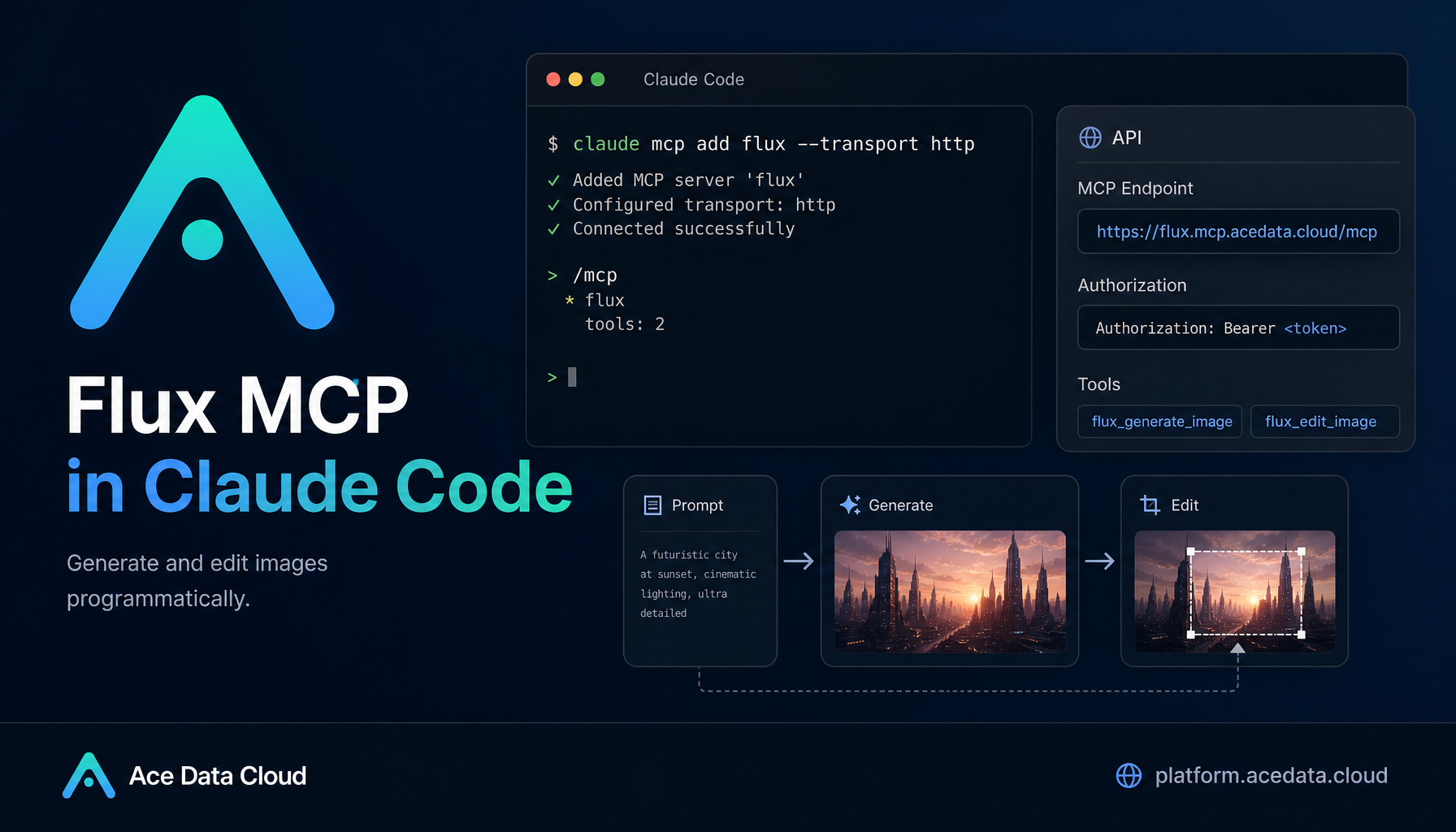
The scope breakdown is the real takeaway here. Most MCP tutorials skip the local-vs-user-vs-project distinction, but it matters in practice. Local is great for quick experiments since there is no config pollution. User scope is what you reach for when Flux becomes a daily tool across all your repos. Project scope is the right call for team setups, and the env var placeholder is the right call there. What I find most useful about this guide is the Dev-Pro-Kontext workflow. It mirrors how developers actually iterate. Start exploratory, lock in a direction, then make surgical edits. The flux_edit_image tool is genuinely underused in most MCP setups. One thing worth adding: if you use project scope, consider documenting the expected env vars in a README or Makefile so new contributors know what to set up. That avoids the silent-failure case where claude mcp list shows flux as connected but the token resolves to nothing in CI.