No Chargebacks for AI Agents: Check Payments Before They Sign
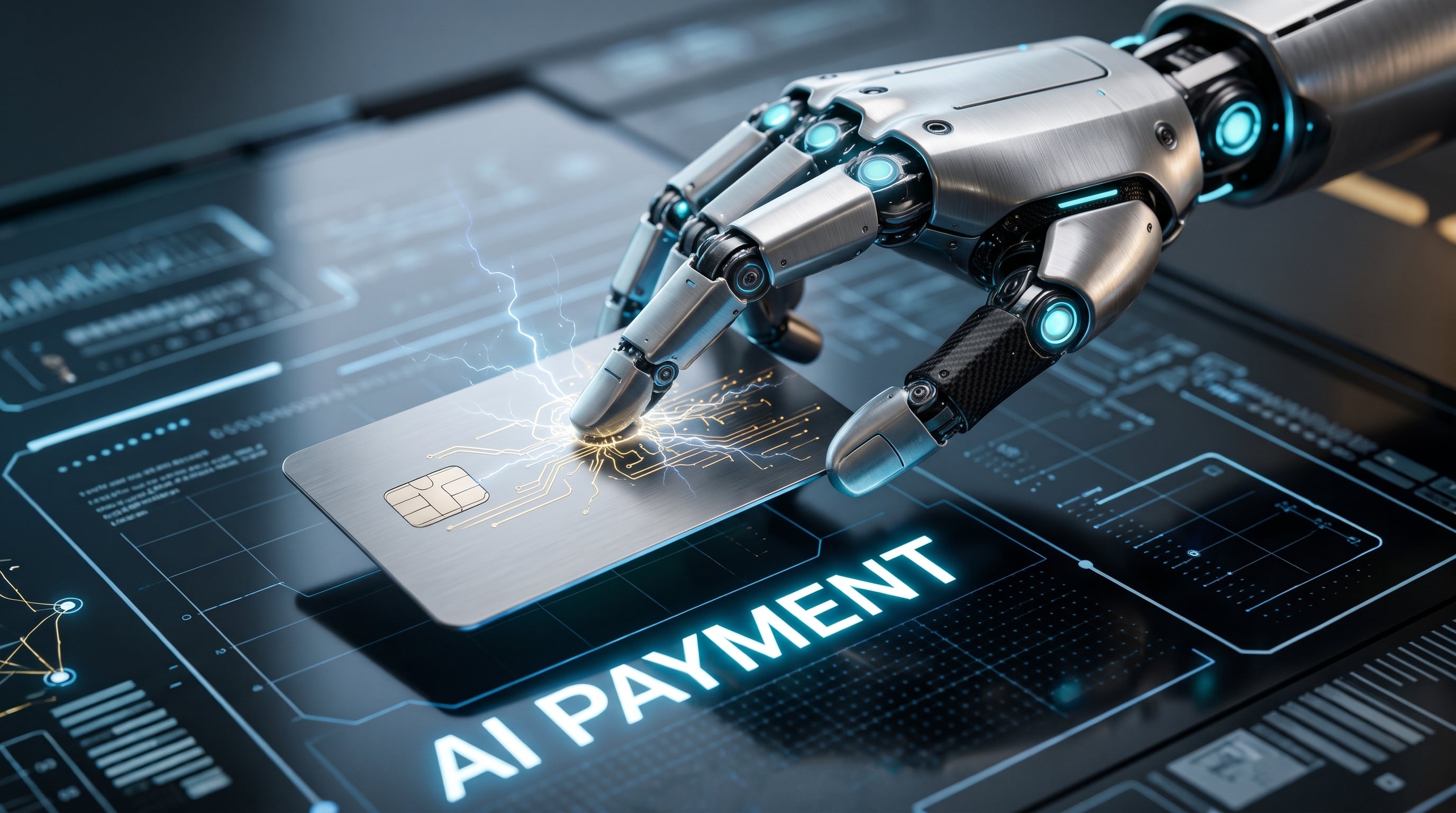
TL;DR: AI agents can now pay through four open protocols: ACP (checkout), AP2 (authorization), MPP and x402 (machine-to-machine settlement). Card-based flows keep the chargeback safety net, but stable
Responses
Markdown supported · ⌘↵ to post
BotSailor
Building the infrastructure for omnichannel automation. Insights on APIs, webhooks, and scaling AI-driven customer journeys.
This highlights an important challenge as AI agents become more involved in handling financial transactions. Giving an agent the ability to make payments is one thing, but making sure the payment is correct, authorized, and intentional is a completely different responsibility.
I particularly like the idea of verifying everything before a transaction is signed. These safeguards may seem like extra steps, but they can make a huge difference when real money is involved. As autonomous payments become more common, building trust through transparency and proper authorization will be just as important as making transactions faster.