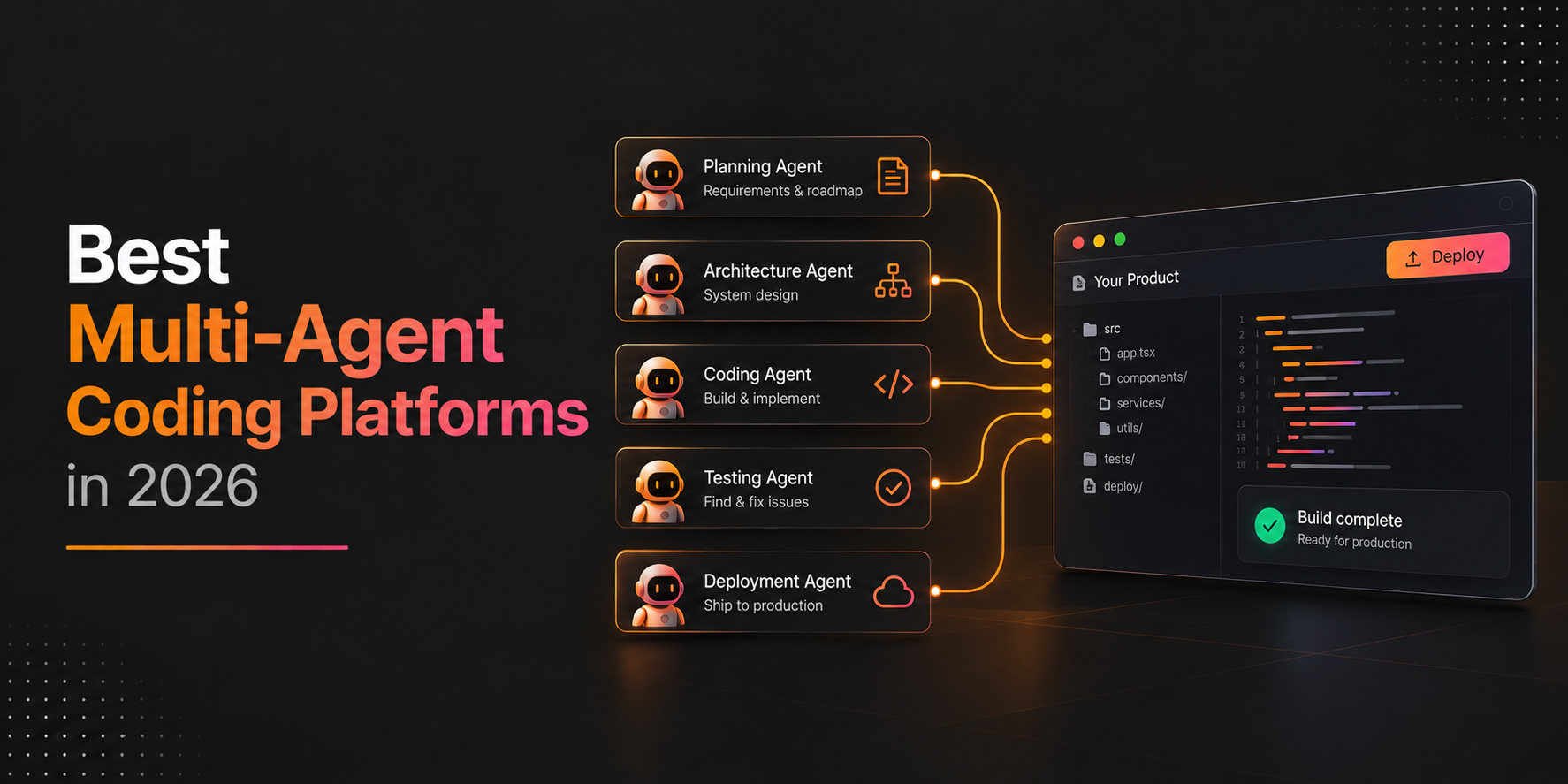
The strongest argument for multi-agent development here isn’t simply parallelism; it’s separating decisions so they become reviewable artifacts. When architecture, implementation, testing, and review happen inside one generation loop, a working PR can hide several assumptions that nobody explicitly approved.
A useful extension is to treat the handoffs between agents as contracts, not just prompts. At IT Path Solutions, I’d want each stage to produce something the next stage can validate against requirements and constraints before implementation, tests tied to those constraints, and review that can trace failures back to the originating decision.
That also changes where human review provides the most leverage. Reviewing an architecture decision before thousands of lines are generated is fundamentally cheaper than discovering the same assumption during a PR review. The real benefit of multi-agent workflows may therefore be moving verification earlier, rather than simply producing more code in parallel.
Vlad Zoff
The handoff-as-a-contract idea is probably the part that makes multi-agent systems easier to reason about.
If one agent produces architecture, another implementation and another verification, the useful artifact isn't just the prompt passed between them. It's the assumptions and constraints that the next stage can actually check. That gives you a much clearer failure boundary when something goes wrong.