@kajalbuilds
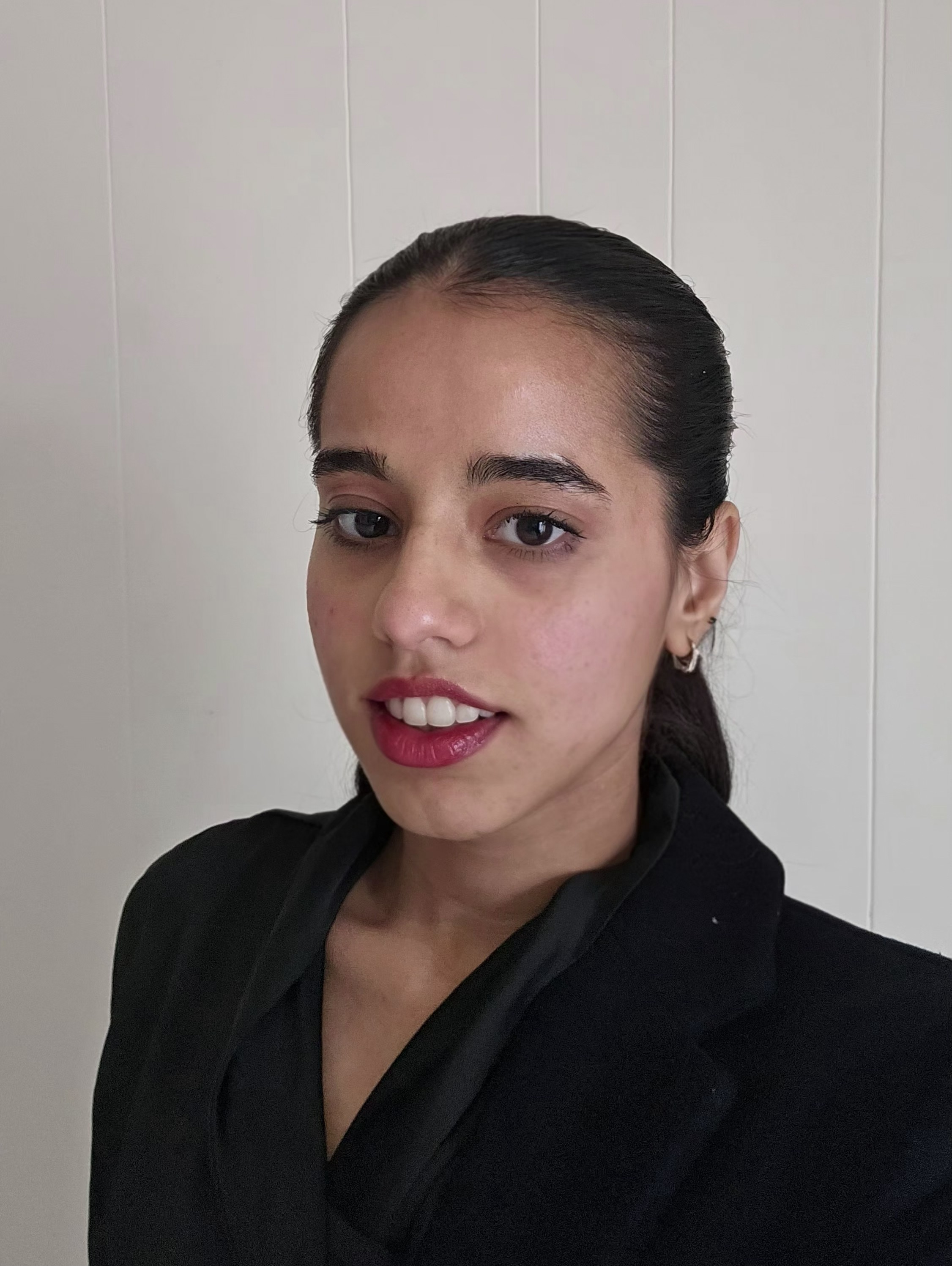
Kajal Dhanjal
@kajalbuildsMelbourne VICJoined June 2026
I write about detection and identity for security vendors and MSPs. ICT Support Technician@ JB Hifi and a Cybersecurity Master's student, AISA Cyber Security Awards 2026 finalist.
About
I write about detection and identity. Specifically, the gap between what a security control is assumed to prove and what it actually proves, and what that gap looks like in the logs.
Recent posts cover the blind spots built into nine common log sources, the anatomy of an identity compromise through Entra and M365 telemetry, and the MITRE ATT&CK detection layer that was retired in 2025.
Two rules hold across everything here. Every factual claim is sourced to primary documentation, meaning vendor technical docs, standards bodies or government advisories, never vendor marketing. Lab work is labelled as lab work.
I am a cybersecurity Master's student in Melbourne and a finalist in the AISA Cyber Security Awards 2026, Student of the Year category. I build and publish ATT&CK mapped detections in a public Microsoft Sentinel lab.
I take paid writing commissions from security vendors and MSPs.
Available for
Entry-level SOC, detection engineering and IT support roles in Australia. Also always happy to talk detection engineering with anyone working through the same problems. AND BLOG/CONTENT WRITING!


