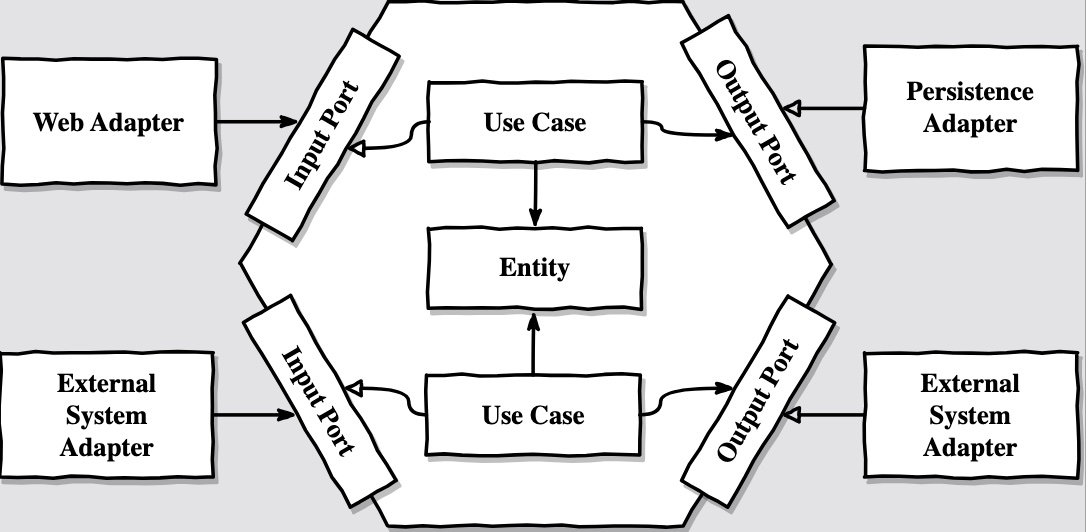
KKkranthi kiraninkranthikiran.hashnode.dev·Sep 1 · 4 min readArchitecting Evolvable Systems Using Hexagonal ArchitectureA practical demonstration of Domain-Driven Design and Hexagonal Architecture, based on patterns I have applied in Enterprise Systems and Integrations. Throughout my experience designing Enterprise Sys00
KKkranthi kiraninkranthikiran.hashnode.dev·Jun 10 · 2 min readPart 6: Results, Team Presentation, and Key Lessons LearnedResults Overall we have evolved from a Legacy RDBMS --> DynamoDB --> DynamoDB + Kinesis Solution and here are some metrics captured: Metric Legacy RDBMS Solution DynamoDB + Kinesis Solution Jobs10
KKkranthi kiraninkranthikiran.hashnode.dev·Jun 10 · 2 min readPart-5: Failure Modes and Operational ConsiderationsWhile the DynamoDB and Kinesis-based architecture significantly improved scalability and throughput, it was important to understand and plan for worst-case scenarios. 1. Kinesis Ingestion Capacity Exh10
KKkranthi kiraninkranthikiran.hashnode.dev·Jun 10 · 2 min readPart 4: Solving Burst Traffic with Kinesis Data StreamsIntroducing Kinesis Data Streams as a Buffer Layer While the code-level optimizations reduced the volume of data written to DynamoDB, they did not fully address the challenge of sudden traffic spike10
KKkranthi kiraninkranthikiran.hashnode.dev·Jun 10 · 2 min readPart-3: Optimising DynamoDB Single-Table Model for Large-Scale Analytics DataWe would like to evolve supporting from our current volume growth to support 5x data volume with increase in number of user triggered jobs. As a first step, to address the scalability, performance, an10