Thread
Popular posts
Apologies for the rant, but then, your question was literally asking for it.
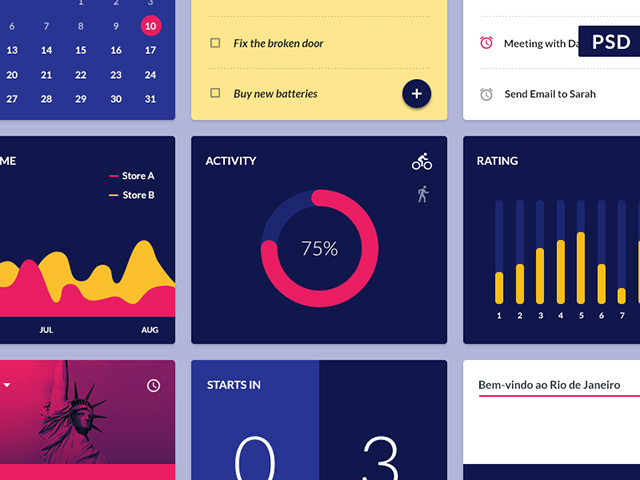
#1 Material/Metro/Modern/flavor-of-the-month-design-paradigm that encourages bright contrasting colors in close proximity.
This is one of the biggest turn offs. In the good old days people used colours with caution, spent thought on consistency and minimalism.
Apple used to be gold standard of interface design. I adored the minimalism of Github, Quora and Stackoverflow.
But as luck would have it, the world has now been overrun by insanity:
#2 Flashy/pointless/misleading adverts
Volumes have been written about this. You have seen it, you have loathed it, you know what I am talking about.
#3 Disregard for hyperlinking
Ember authors have hit the nail in the head:
However, it's important to remember what makes the web special. Many people think that something is a web application because it uses technologies like HTML, CSS and JavaScript. In reality, these are just implementation details.
The web derives its power from the ability to bookmark and share URLs. URLs are the key feature that give web applications superior shareability and collaboration. Today, most JavaScript frameworks treat the URL as an afterthought, instead of the primary reason for the web's success.
Despite being widely known as a best practice, it is all too common to come across a state that you can't favourite or share by just copying the url.
Even more irritating is when sites decide to go through a massive overhaul and older links get redirected to home page or some generic top level page with no details about the context it was linked from. It is disheartening to see massively popular sites like AppAnnie do this.
#4 Technology blogs with no consideration towards obsolescence
A blog post dealing with technology, with no information about when it was published, and what versions of libraries it deals with can make things very confusing.
Though proliferation of tools like Jekyll have mitigated this significantly by making it a best practice to embed the publication date in the url itself, I still occasionally come across posts with no information as to what era it was written in.
#5 Opaque moderation
I do not have a problem with moderation as such - if the owners of a platform believe that to retain the focus of a community they need to block certain content - it's their choice. But I have been part of communities where you would not know at all if your content was muted and/or hidden from public view.
This is where you cross the line from good will over to treachery.
#6 Deceptive "Growth Hacking"
Warning emoji in spammy marketing mail subjects, RE: and FWD: prefixes, click bait titles ... the list goes on and on.