Apr 28 · 6 min read · In Part 10, I added structured logging and request IDs. I could now trace a single request through my entire backend — every log line tagged, searchable, debuggable in seconds. But I still couldn't answer basic questions: How many requests did /entr...
Join discussionApr 24 · 4 min read · When you're building a product solo, every feature is a trade-off. Time spent on one thing is time not spent on another. While building HTML Table Exporter, I had a running list of "great ideas" that never made it to the final product. Some were tech...
Join discussion
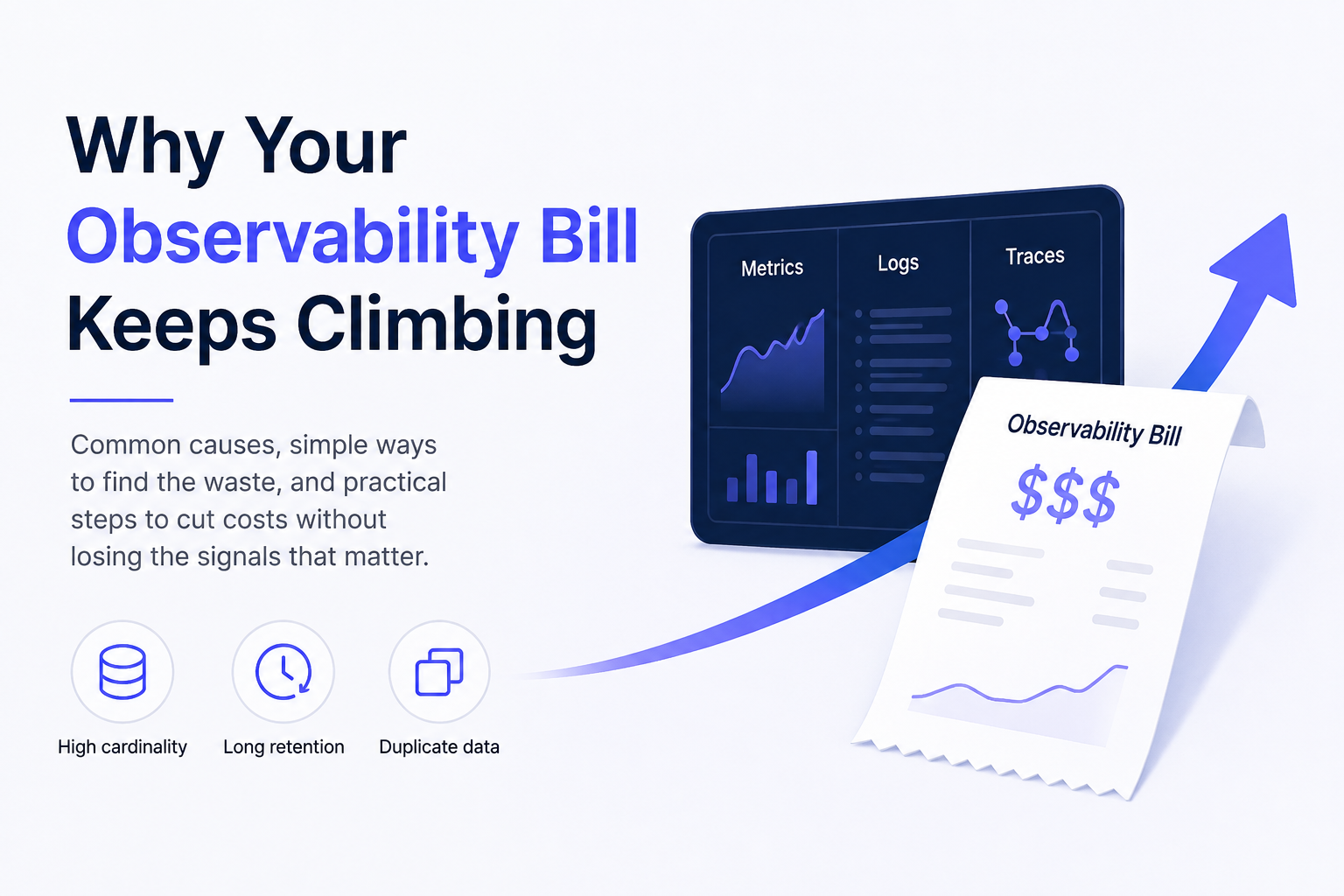
Apr 23 · 9 min read · Modern production systems generate more data than most developers can realistically process. Every request emits logs. Every service exports metrics. Every dependency introduces another layer of signa
Join discussion
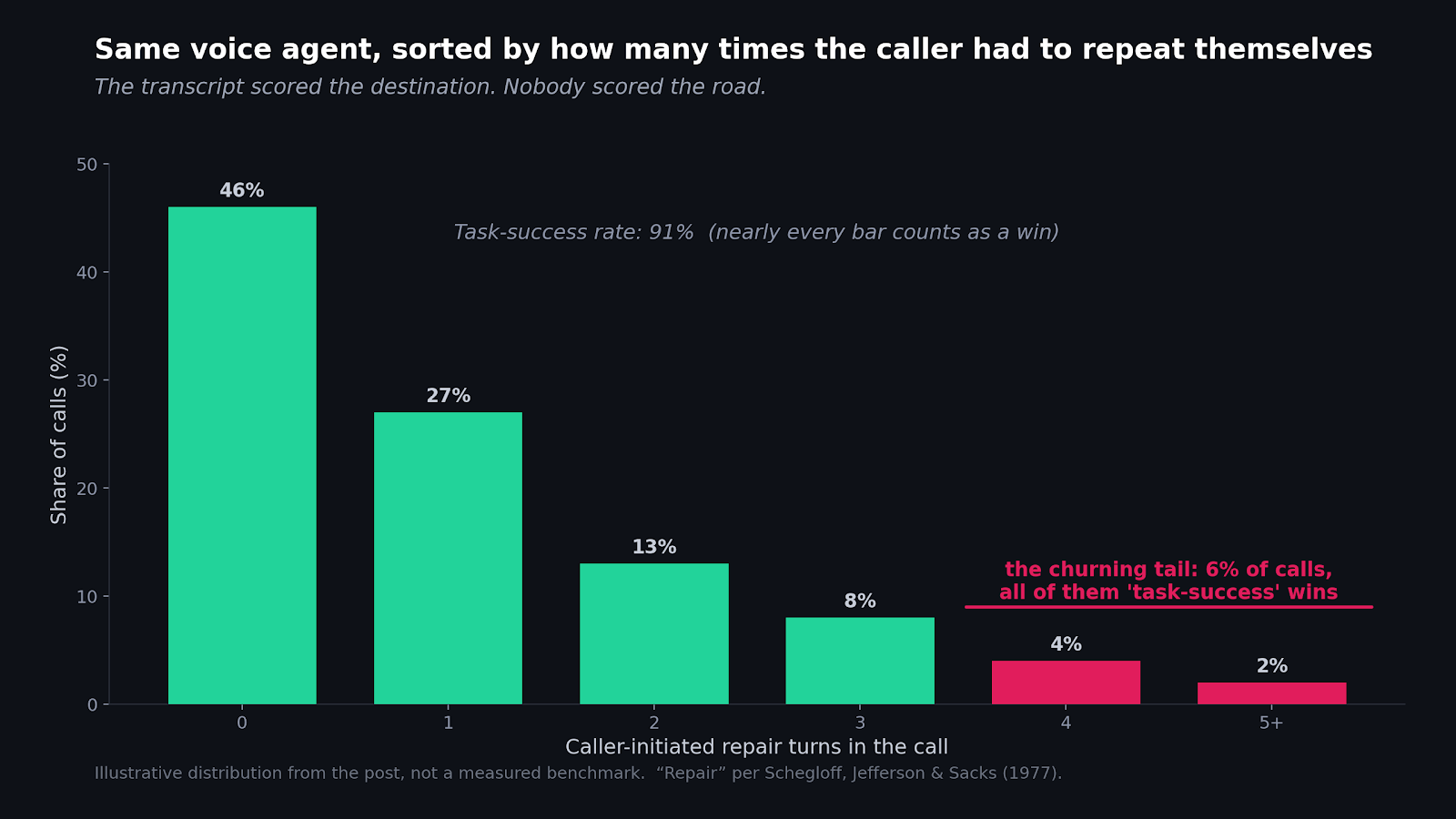
Apr 13 · 18 min read · An engineering team I worked with shipped an AI feature that looked great on every dashboard they cared about. Eval pass rate: 88%. Latency P99: 2.3 seconds. Cost per call: well under budget. Deployment was clean. The team felt good and moved on. Twe...
Join discussionApr 10 · 3 min read · What you'll learn How to identify the right performance indicators for your specific AI agent use case The difference between vanity metrics and actionable performance data A framework for setting up automated monitoring that catches issues before t...
Join discussionMar 30 · 16 min read · Introduction Most developers that run their Postgres DB as a Docker containers, ship their app, and hope for the best. The problem with this is there's no visibility into slow queries, no insight into
MCode commented