AAli TahirOct 7 · 5 min readYour VPN Check Isn't the Problem Anymore. Residential Proxies Are.TL;DR Blocking VPN traffic alone misses most of the fraud getting through today. Most of it now routes through residential proxies, not datacenter VPNs. Residential proxy IPs rotate too fast for rep1Iali-tahir.hashnode.dev
BBenjamin BrundageSep 27 · 5 min readResidential Proxy Detection: Why IP Reputation Alone Is Not EnoughHere’s the awkward question at the center of residential proxy detection: what do you do with an IP address that is both legitimate and being used as proxy infrastructure? That isn’t a hypothetical edsynthient.hashnode.dev
YYahor PapouSep 16 · 14 min read10 browser fingerprinting techniques explainedBrowser fingerprinting is the foundation of device intelligence: the way a site recognizes the same visitor without a cookie. Browser fingerprinting techniques are the individual methods a site uses tshieldlabs.hashnode.dev
YYahor PapouSep 15 · 11 min readHow to detect anti-detect browsers in 2026In a March 2026 analysis, Stripe found that 7.4 percent of sign-ups at AI companies were implicated in suspected multi-account abuse. Behind most of that sits one quiet tool: the anti-detect browser. shieldlabs.hashnode.dev
YYahor PapouSep 15 · 12 min readHow to detect VPNs in 2026In a nationally representative 2025 survey of U.S. adults, 32 percent said they currently use a VPN. At that scale, masked traffic is no longer an edge case you can wave away. It is a meaningful slice1Ishieldlabs.hashnode.dev
AAzilen TechnologiesSep 9 · 9 min readAgentic AI for Fraud Detection: How Banks Can Investigate Suspicious Transactions AutomaticallyExecutive Summary Agentic AI for fraud detection helps banks move beyond simply flagging suspicious transactions. AI agents can investigate alerts by gathering transaction history, customer context, dazileninsights.hashnode.dev
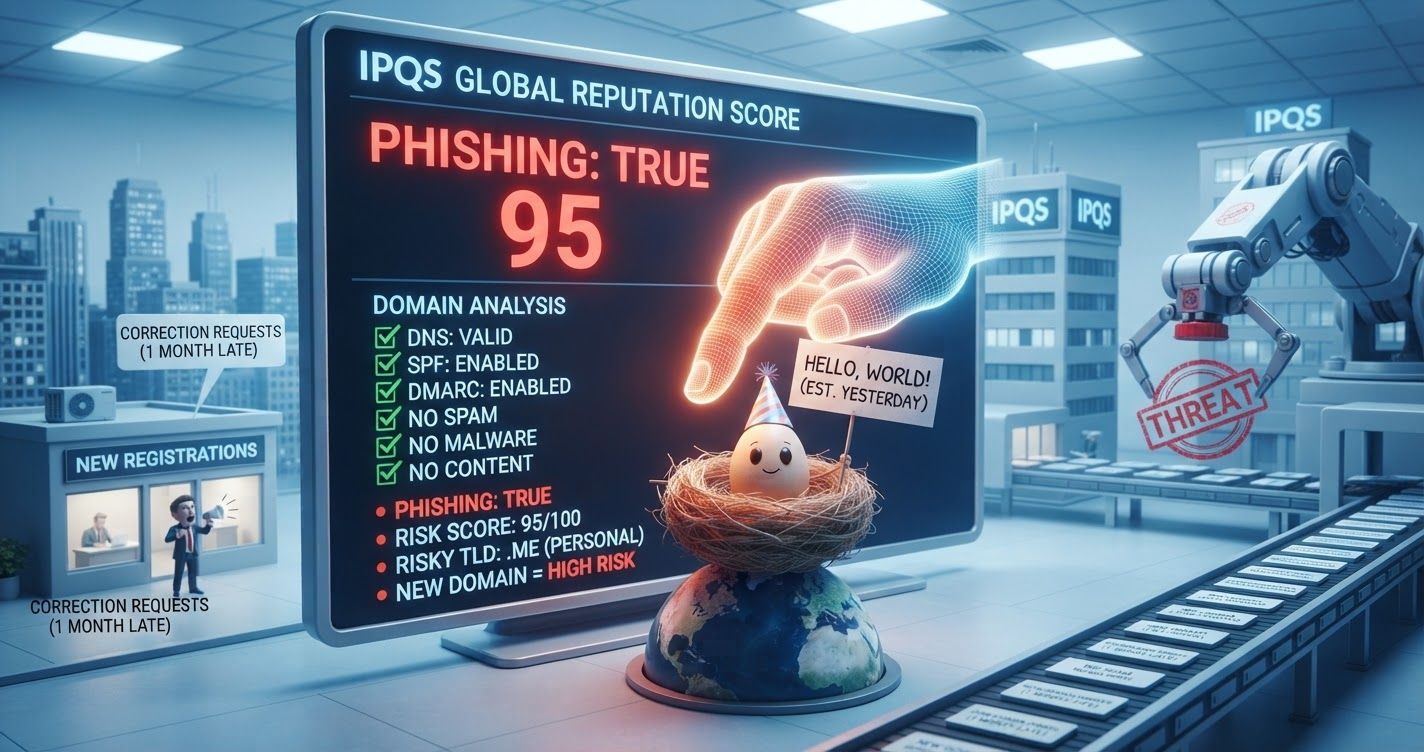
PPred GrayAug 30 · 22 min readIPQS False Positive: How a Legitimate New Domain Got a 95 Risk Score A little over two months ago, I registered a domain for personal use. The plan was simple. I wanted a permanent email address based on my last name, something like first@lastname.me. I registered the 1Fipqs.hashnode.dev
UUbani Obiajulum EmmanuelAug 22 · 17 min readI Built a Production MLOps Pipeline for Fraud Detection That Automatically Retrains When It Detects Data Drift — Full ImplementationA Fraud Detection Model That Nobody Was Watching It was the quarterly business review when the CFO asked a question nobody on the engineering team could answer. "Our fraud loss rate has been climbing 2emmanuelubani.hashnode.dev
OOghenemaro IkelegbeAug 17 · 3 min readDetecting Synthetic Identity FraudSome of the most damaging financial fraud out there isn't committed by criminals stealing your identity. It's committed by criminals building an identity from scratch, one that never belonged to anyon1Fcybersage.hashnode.dev
AAce Data CloudAug 4 · 8 min readFace Static Liveness Detection API: catch a photo of a photo before it becomes an accountA courier holds a phone up to a laptop screen and snaps a picture of a driving licence photo. A contractor points a webcam at a printed headshot taped to a clipboard. Both submissions arrive at your oacedatacloud.hashnode.dev