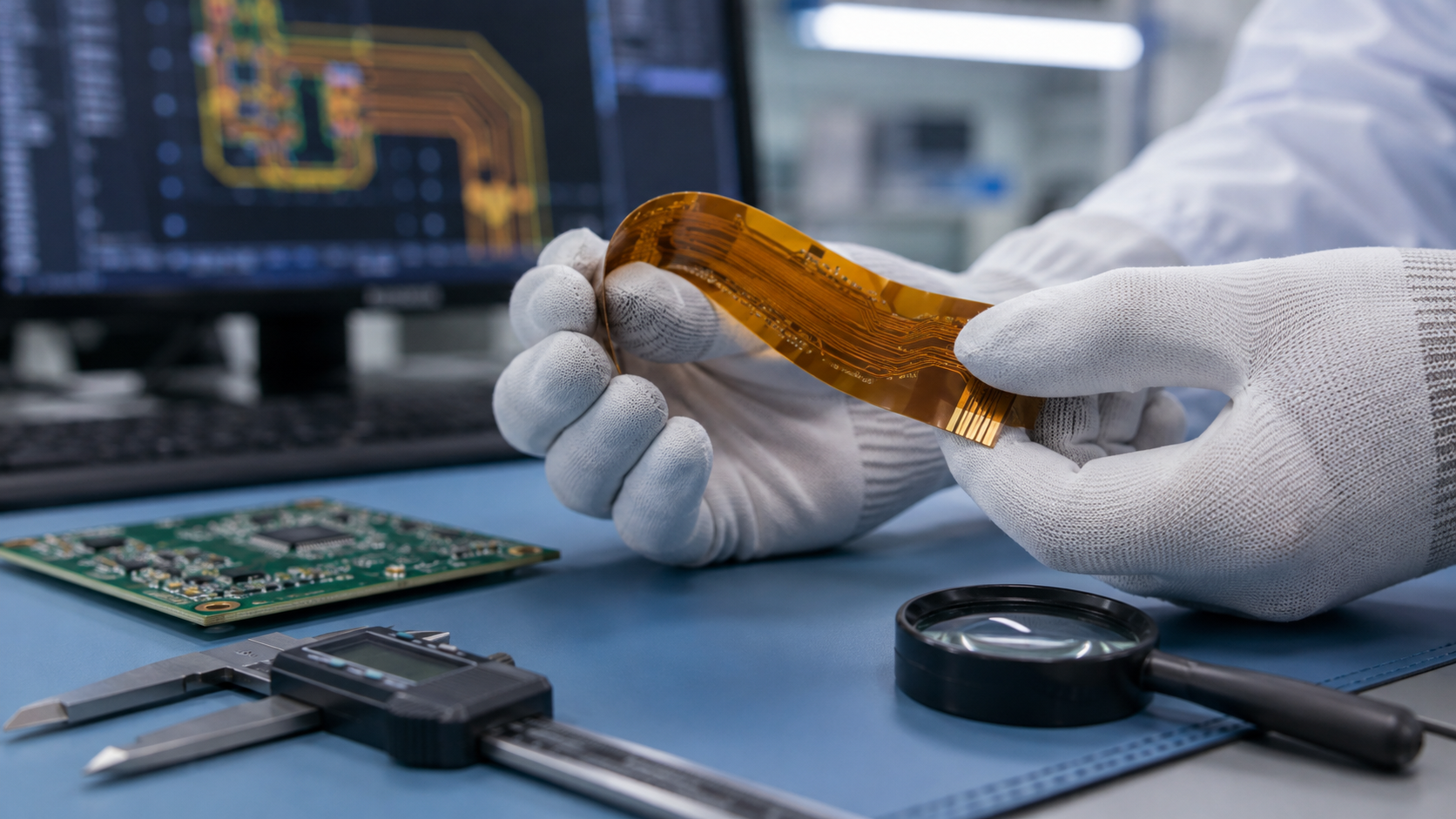
Jun 2 · 8 min read · Have you ever experienced a product that passed functional tests but failed after thermal cycling, or developed intermittent failures after months in the field? Opening the enclosure reveals cracked s
Join discussion
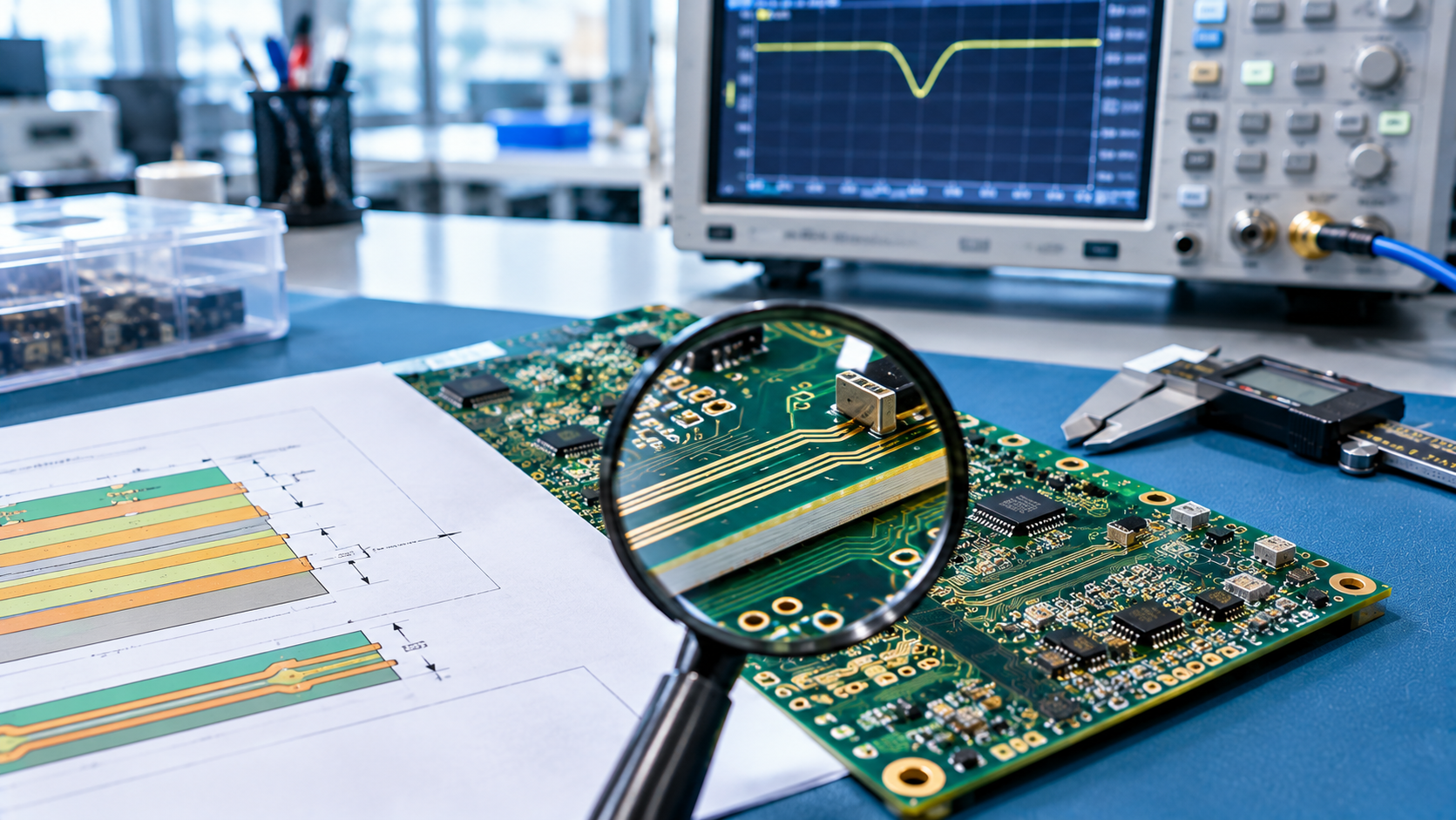
May 27 · 6 min read · High‑speed signals (USB, HDMI, DDR, PCIe) have strict impedance requirements, typically 50Ω ±10% or 90/100Ω ±10%. But many engineers simply write “impedance control” on the drawing without understandi
Join discussion
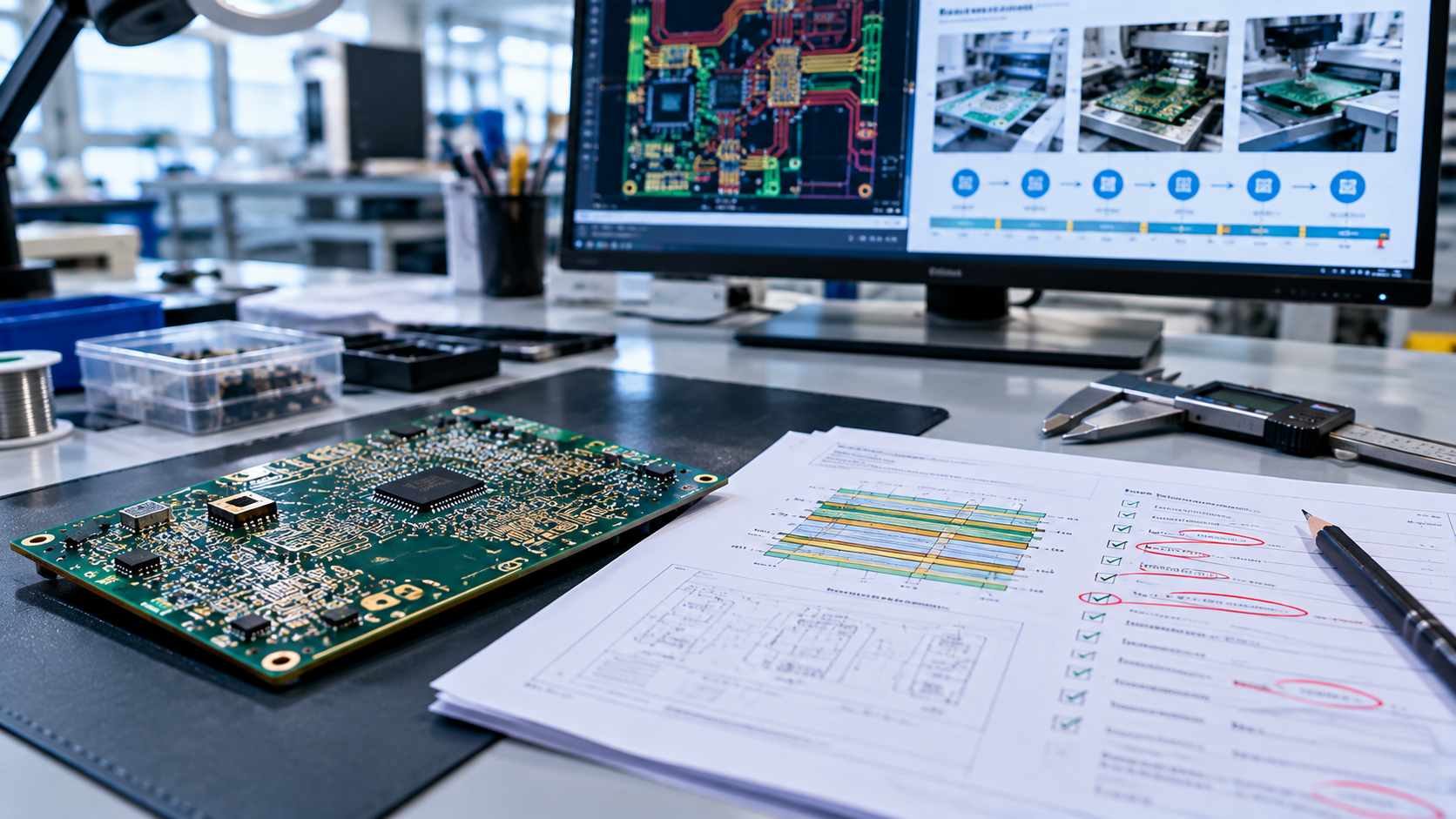
May 19 · 5 min read · You designed a perfect PCB. The prototype worked flawlessly. You happily sent it to production. Then the factory came back: test coverage is below 60%. They have to manually probe with a multimeter, a
Join discussion
May 15 · 8 min read · If you‘ve ever looked closely at a multi‑layer PCB, you’ve noticed the small copper‑plated holes. Those are vias. They might look simple, but choosing the wrong type or size can hurt your signal integ
Join discussion
May 6 · 7 min read · Introduction You‘re ordering 100 small PCBs. The quote comes back, and the per-board price seems high — much higher than what you’d expect for such a tiny board. What‘s going on? The answer is often p
Join discussion
Mar 11 · 7 min read · Why Engineers Are Re-Thinking Embedded Design Today Can microcontrollers run machine learning reliably without cloud dependency or high power consumption? That question is now shaping modern embedded
Join discussionMar 6 · 4 min read · In our previous journey, we saw how a Parent handle can point to a Child object on the heap. But there’s a catch: by default, SystemVerilog is blind to the Child’s specialized methods if you use a Par
Join discussionFeb 4 · 5 min read · Building an IoT electronics product means making dozens of technical decisions that directly affect cost, reliability, and scalability. This guide explains how to plan an IoT electronics product from idea to production, covering hardware, firmware, c...
Join discussion