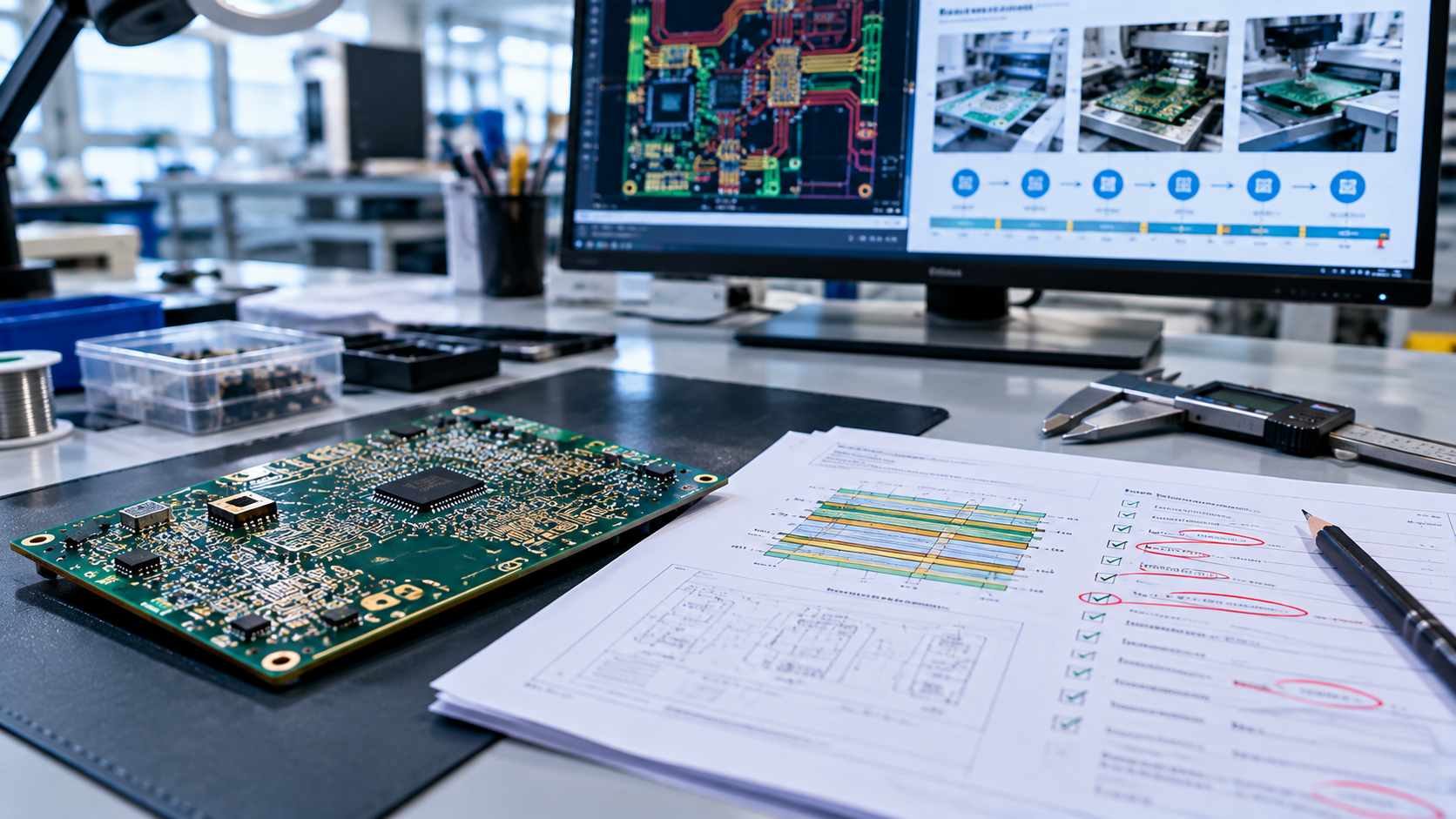
MWMaggie Wanginanypcba.hashnode.dev·5d ago · 4 min readGreat PCB Design Isn‘t Just Routing — It‘s Building a ProductIf you've done hardware development, you've probably experienced this: the board works, the functionality is there, but production yield is low, assembly is difficult, and rework rates are high. You t00
OAOsman Aslaninoaslananka.hashnode.dev·Jul 10 · 9 min readBuilding KiCad MCP Pro: Giving AI Agents Real Access to PCB Design WorkflowsAI coding agents can already read repositories, modify source code, run tests, and interact with development tools. But electronic design automation is a different environment. A PCB project is not ju00
MWMaggie Wanginanypcba.hashnode.dev·Jul 10 · 5 min readFrom “Simulation Passed” to “Production Failed”:5 Truths Every Hardware Engineer Needs to KnowYou spent weeks on the layout. You ran DRC. You triple‑checked the BOM. Your design review team signed off. Simulation results were perfect — impedance curves within spec, timing margins generous, eye00
MWMaggie Wanginanypcba.hashnode.dev·Jul 7 · 5 min read5 Common Rigid-Flex PCB Design Pitfalls (And How to Avoid Them)Rigid-Flex PCBs are increasingly appearing in wearables, medical sensors, aerospace, and foldable consumer electronics. They combine the support and high-density interconnect capability of rigid board00
MWMaggie Wanginanypcba.hashnode.dev·Jun 11 · 6 min readAI‑Generated PCB Layout: How Far Can KiCad + GPT‑4o Go?While AI has already transformed software development, hardware design has remained a tough nut to crack. Until recently, the KiCad ecosystem began seeing tools that let AI do actual routing and place10
MWMaggie Wanginanypcba.hashnode.dev·Jun 2 · 8 min readPCB Thermal Gradient and Thermal Stress Design: Preventing Solder Joint Cracking and Via FailureHave you ever experienced a product that passed functional tests but failed after thermal cycling, or developed intermittent failures after months in the field? Opening the enclosure reveals cracked s00
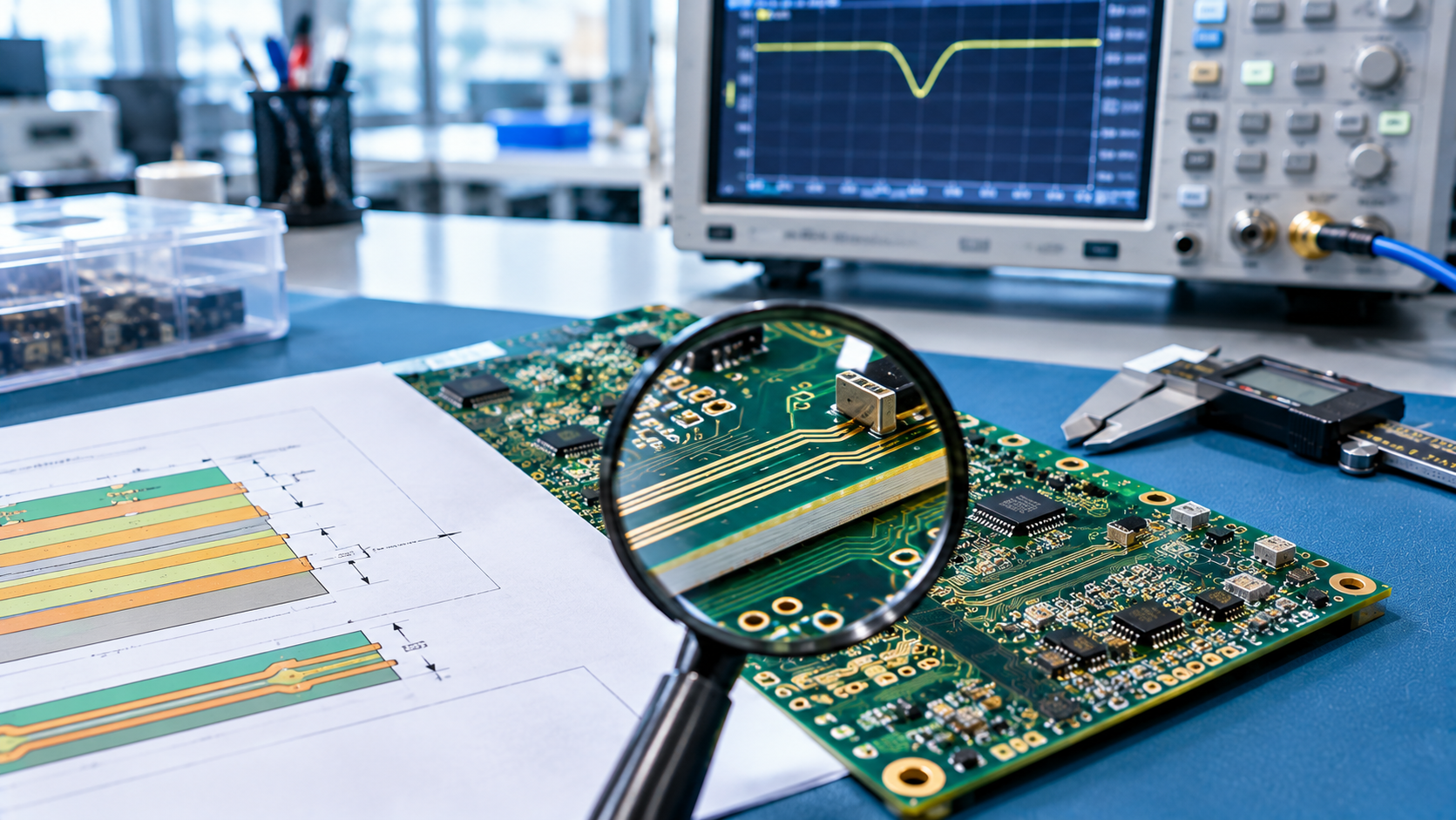
MWMaggie Wanginanypcba.hashnode.dev·May 27 · 6 min readPCB Impedance Control in Practice: From Theory to Testing – Ensuring Your High‑Speed Lines Meet SpecsHigh‑speed signals (USB, HDMI, DDR, PCIe) have strict impedance requirements, typically 50Ω ±10% or 90/100Ω ±10%. But many engineers simply write “impedance control” on the drawing without understandi00
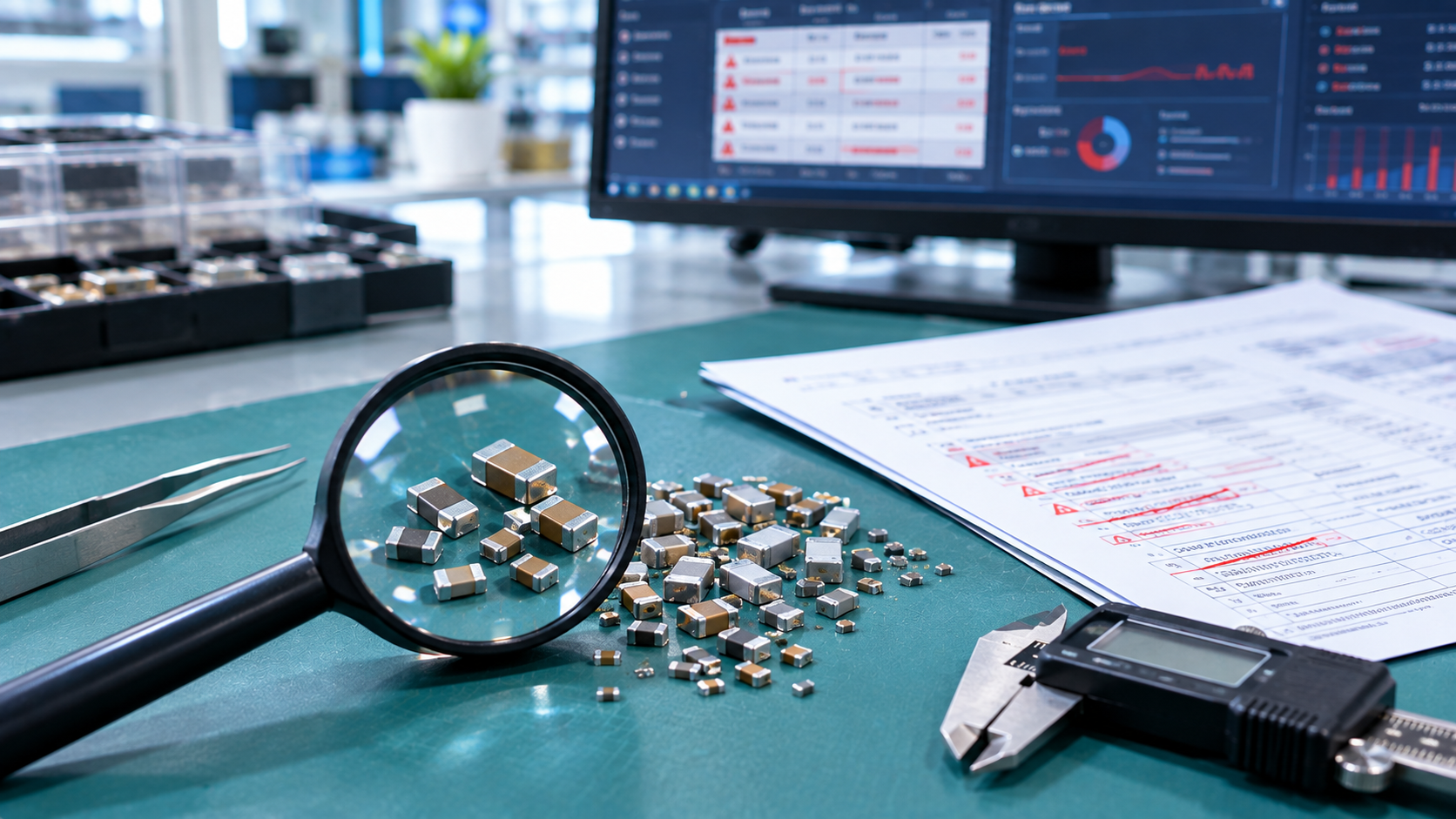
AAuckaminauckamzone.hashnode.dev·May 21 · 9 min readHow to Test Electronic Components for Better PCB Reliability unverified capacitor, counterfeit IC, damaged connector, or out-of-spec resistor that passed unnoticed during sourcing or assembly. Electronic component testing helps engineers identify failures befor00
MWMaggie Wanginanypcba.hashnode.dev·May 19 · 5 min readPCB Design for Testability (DFT): Why Your Boards Are So Hard to TestYou designed a perfect PCB. The prototype worked flawlessly. You happily sent it to production. Then the factory came back: test coverage is below 60%. They have to manually probe with a multimeter, a00
MWMaggie Wanginanypcba.hashnode.dev·May 15 · 8 min readThe Complete Guide to PCB Vias: Through‑Hole, Blind, Buried, and Microvias If you‘ve ever looked closely at a multi‑layer PCB, you’ve noticed the small copper‑plated holes. Those are vias. They might look simple, but choosing the wrong type or size can hurt your signal integ00