CCaterfliOct 18 · 17 min readWhy We Treat the LLM as an Untrusted PlannerGiving AI access to your business software is easy. Making sure it uses that access responsibly is the real challenge. Imagine giving a new employee access to your company's database on their first dacaterfli.hashnode.dev
PPrasad GOct 2 · 5 min readWhy LLM Agents Need a New Security Layer: Understanding AI-Native FirewallingAI applications are changing from systems that simply generate responses into systems that can take actions. An LLM-powered application can retrieve information, call APIs, interact with tools, accessprasadprechu.hashnode.dev
NNeural CoreTechSep 28 · 2 min readAI Agent Sandbox Security: What the OpenAI DNS Incident RevealsAn OpenAI research-agent incident reported on 25 September 2026 highlights an important problem in AI infrastructure security: an environment can block obvious internet access and still expose an indineuralcoretech.hashnode.dev
CChristian JohannsenSep 10 · 7 min readPermissions vs. Policies in LLM Systems: What Matters WhereLLM agents call tools, read data, and act on behalf of users. Securing them depends on keeping two concepts apart: permissions and policies. A third element, prompt instructions, is often mistaken forbreakglass.hashnode.dev
MMilos BozicSep 8 · 31 min readHow LLM Text Watermarking Works: Build One from Scratch in PythonPost 1 of 2: implement the green-red list watermark, detect it with a proper statistical test, and measure what it costs. 📝 Notebook In August 2026 Anthropic announced that new Claude models will watmilosbozic.hashnode.dev
JJames HarmonAug 27 · 25 min readWhy Treating AI as Traditional Software Is a Security Mistake Waiting to HappenArtificial Intelligence (AI) has moved from novelty to infrastructure remarkably quickly. Organizations are integrating large language models into applications, internal tools, customer-facing systemshrafns-blog.hashnode.dev
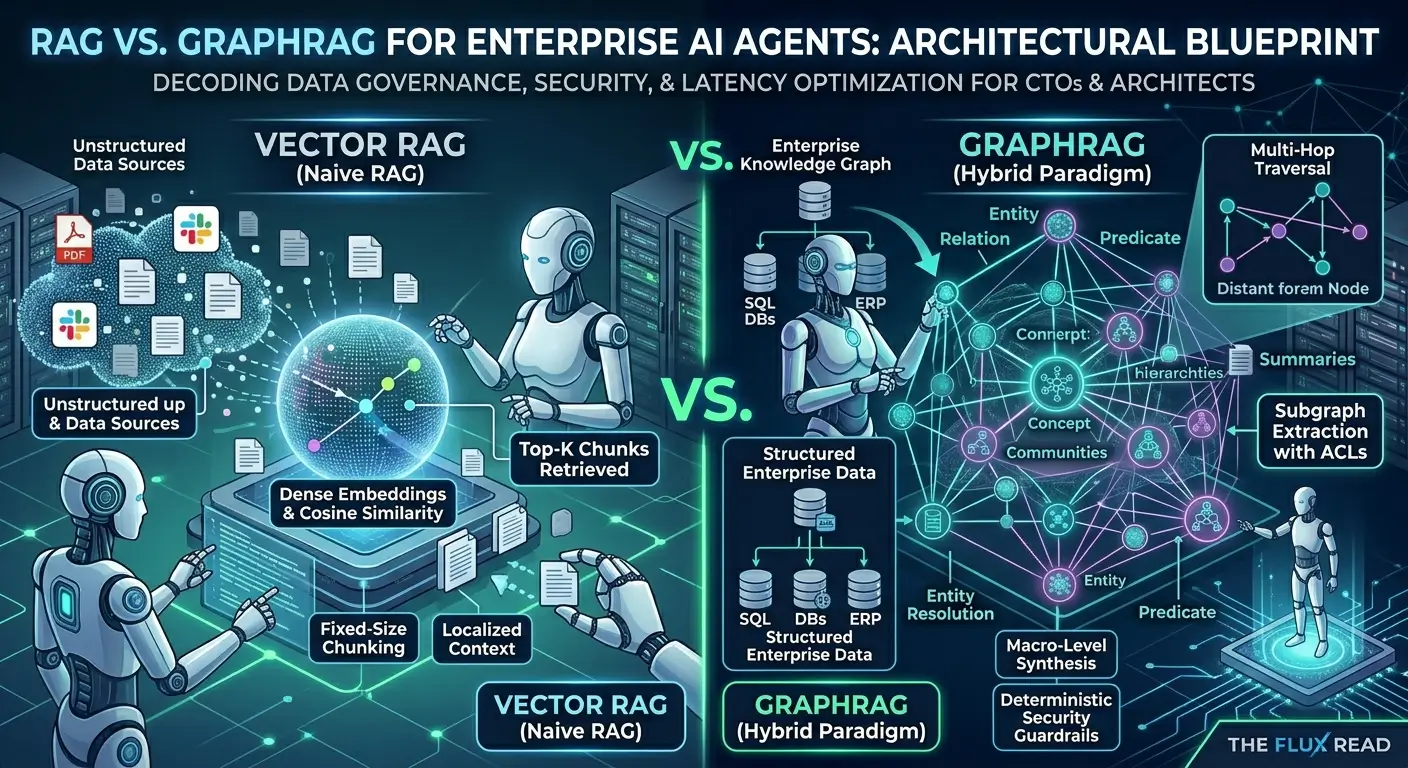
TThe Flux ReadAug 23 · 7 min readRAG vs. GraphRAG for Enterprise AI Agents: Architecture, Data Governance, & Latency BottlenecksStandard Vector-based Retrieval-Augmented Generation (RAG) is hitting a hard operational ceiling in enterprise environments. While dense vector embeddings excel at semantic similarity search across unthefluxread.hashnode.dev
KKamran ShaghaghiAug 17 · 8 min readDefending the AI Perimeter: Mitigating OWASP LLM10 (Model Theft & Data Exfiltration) with GKE Dataplane V2 and eBPFWhen enterprises adopt Generative AI, security teams often focus entirely on the application layer: sanitizing prompt inputs and filtering chat outputs. However, as autonomous LLM agents gain tool-calcloudironguard.hashnode.dev
AAshutosh KumarAug 6 · 10 min readIntroducing the Guardrail Platform: guardrailmesh + guardrailprobeArchitecture, benchmark results, and the engineering decisions behind two open-source tools for AI safety enforcement and verification. Part of the Guardrail Platform Launch Series. Week 1: Runtime askuma.hashnode.dev
VVũ Nhật LâmAug 6 · 20 min readAgent Data Injection: Fooling AI Agents With the Data They Already TrustRisk Summary You ask a web agent to summarize the reviews on a product page. A fake review planted by an attacker makes it click "Buy Now" instead, and an order goes through. No malware, no phishing, blog.fiscybersec.com